Dr. Fred J. Jennings
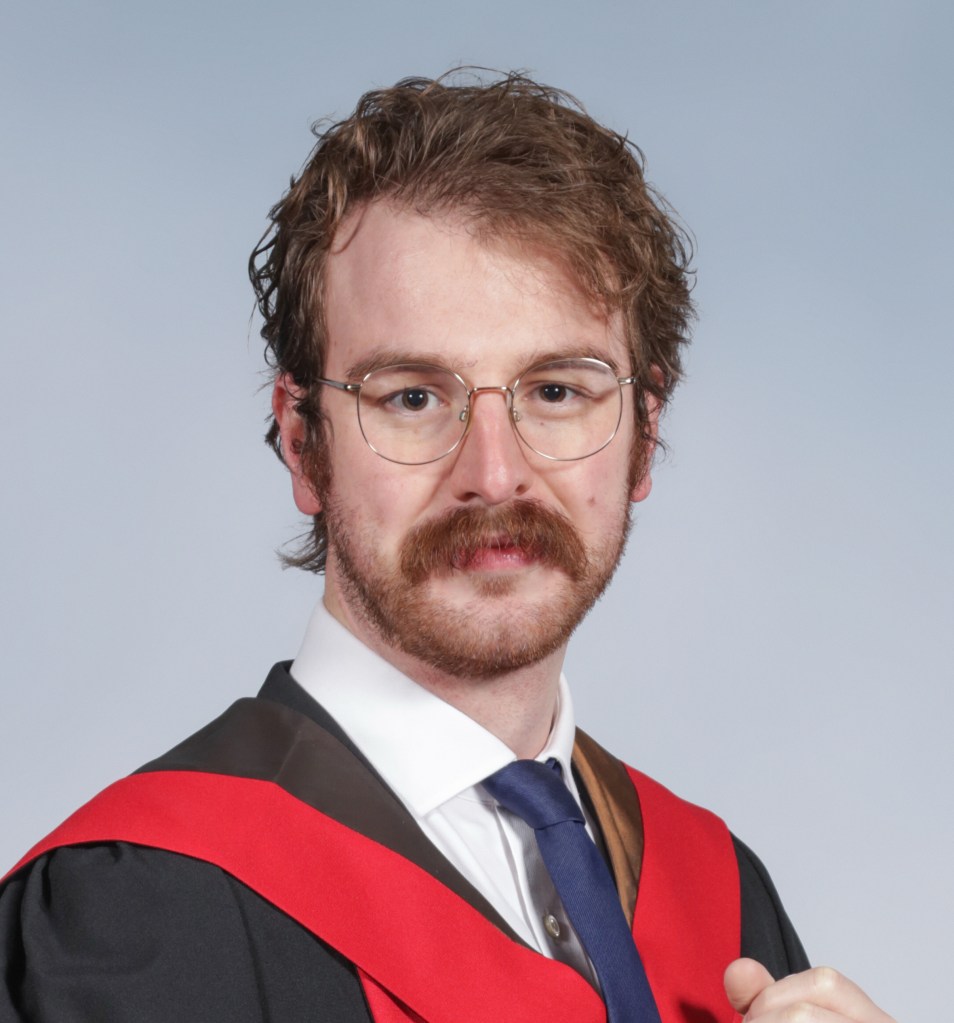
Hi there! I am a computational astrophysicist from the UK. I hold a Masters’ degree in Astrophysics from the University of Cambridge, and a PhD in Computational Astrophysics from the University of Edinburgh. I currently work at UNIMORE, Italy as a Computational Research Fellow. I am primarily interested in Massively-Parallel Simulations and Numerical Methods applied to Multiphase and Magnetised Flows, Active Galactic Nuclei, Galaxy Groups & Clusters, and Galaxy Formation. I am always interested in applying my expertise to new research areas and collaborating with diverse groups of scientists. You can currently reach me at Fred.Jennings@unimore.it






Research Topics
Broadly, I am interested in the following topics…
Role of Multiphase Gas in Galaxy Evolution
How much gas can condense due to local thermal instabilities in the IGrM/ICM? What can trigger this? What size and volume filling distribution does it have? How does it evolve and impact galaxy and black hole evolution?
AGN Feedback and heating
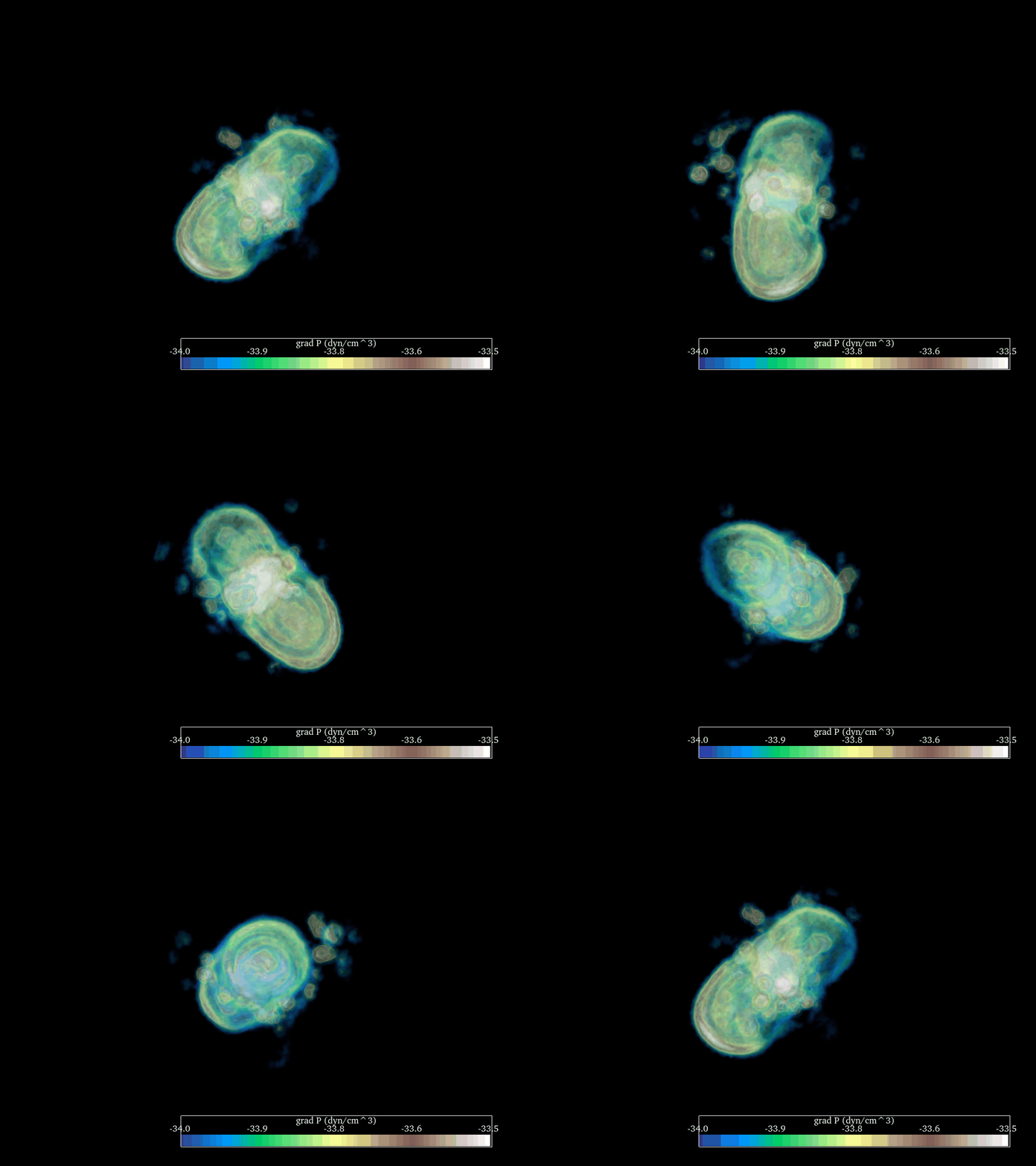
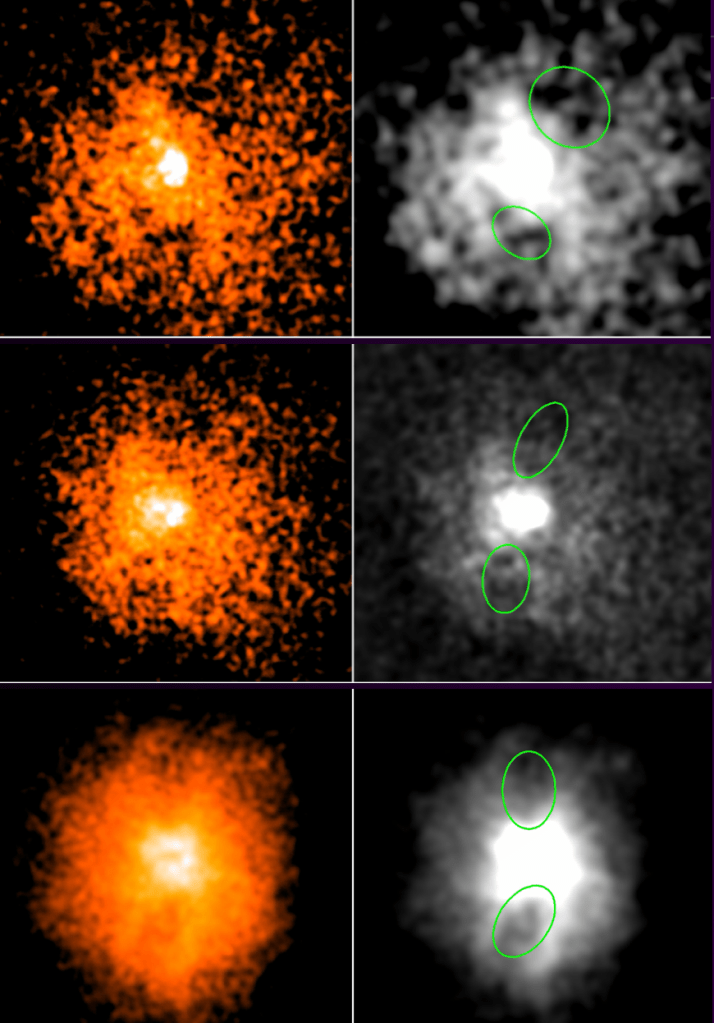
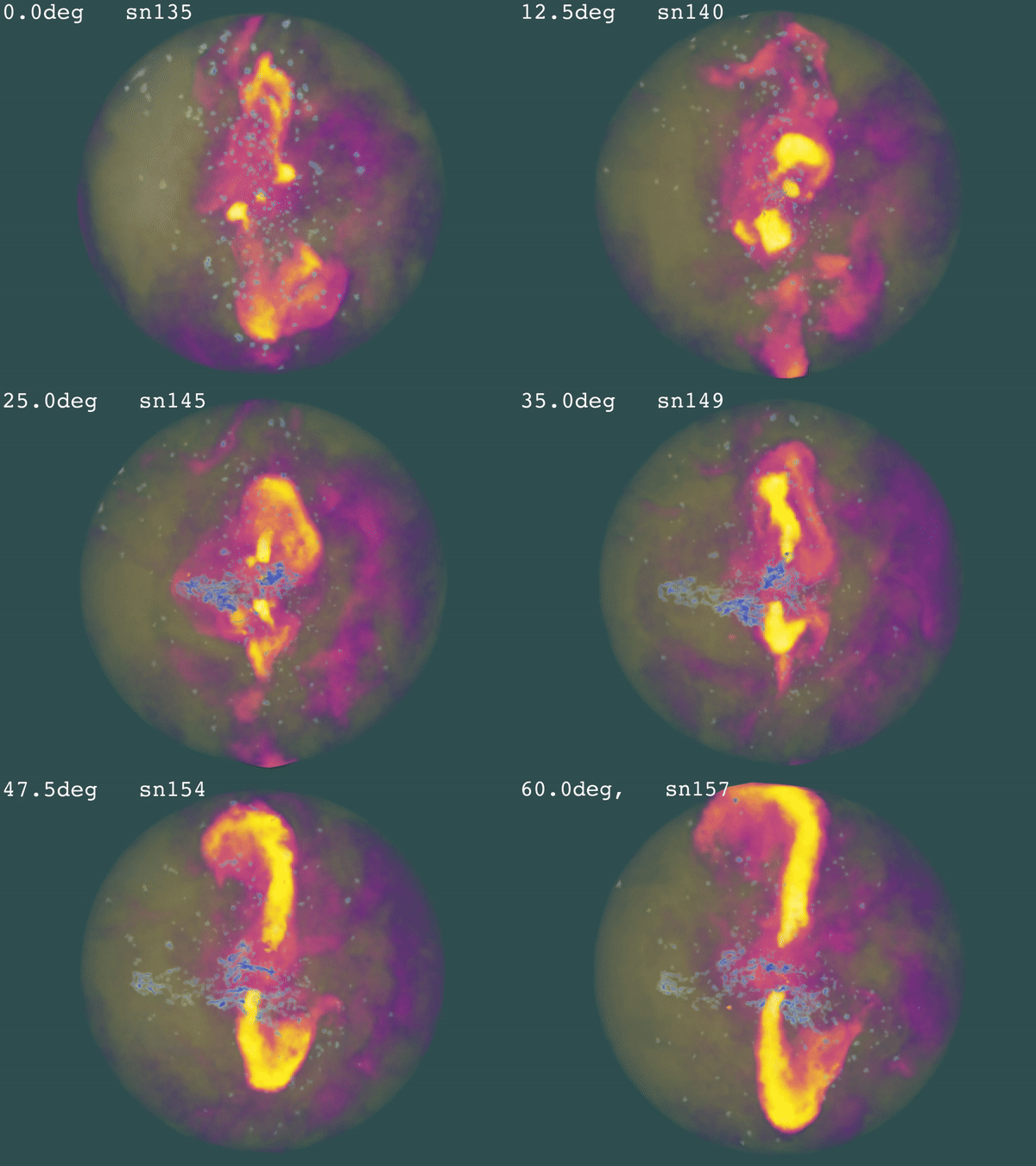
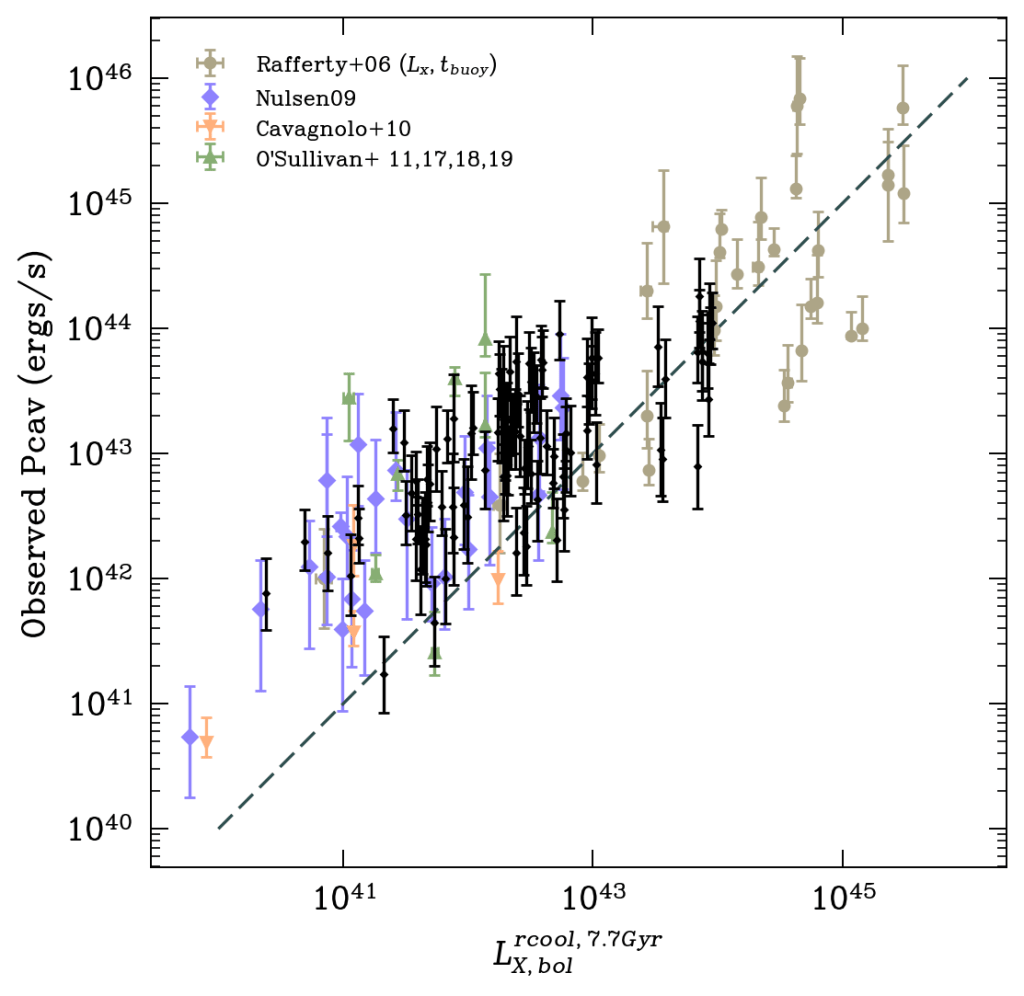
How do jets from supermassive black holes inflate cavities, drive shocks, and heat the Intra-halo gas?
Mock Observations
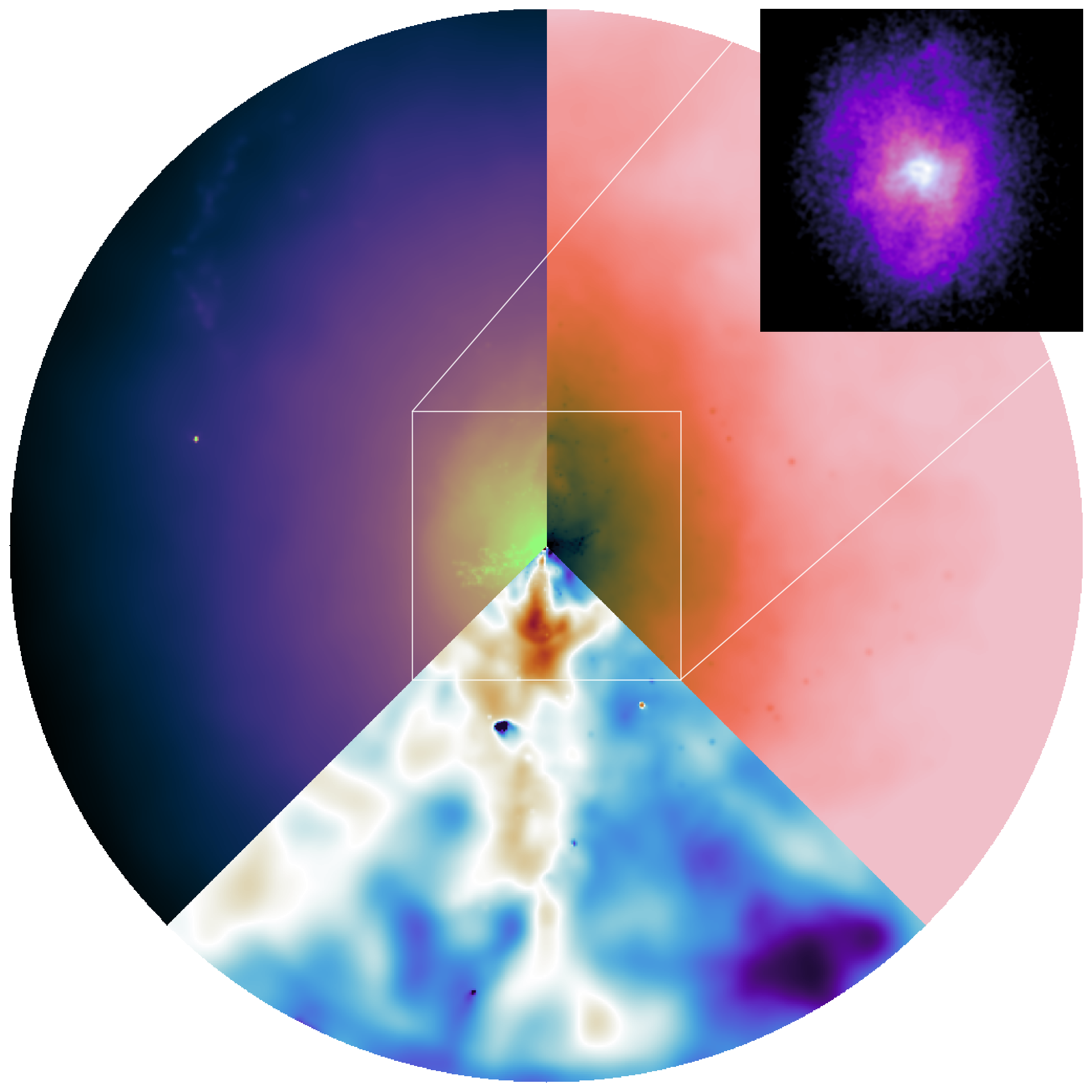
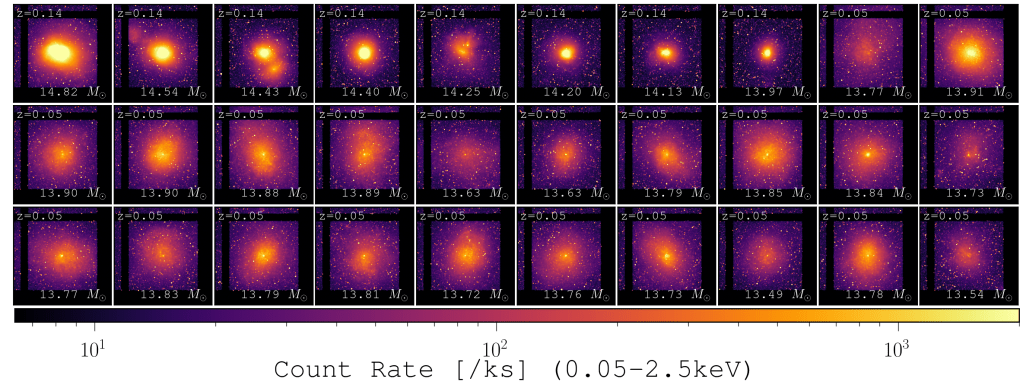
How can we make the best possible comparisons between what our simulations and telescopes are telling us?
Satellite Population
How is the satellite population in massive halos influenced by things like the passage of X-ray cavities and turbulence stirred by AGN?
Protoclusters
How do the most massive bound structures in the Universe look and behave during their infancy?
Upcoming X-ray missions
What will the next generation of X-ray observatories like Athena and LEM tell us about hot baryons in the Universe?
 FredJenningsAstro